
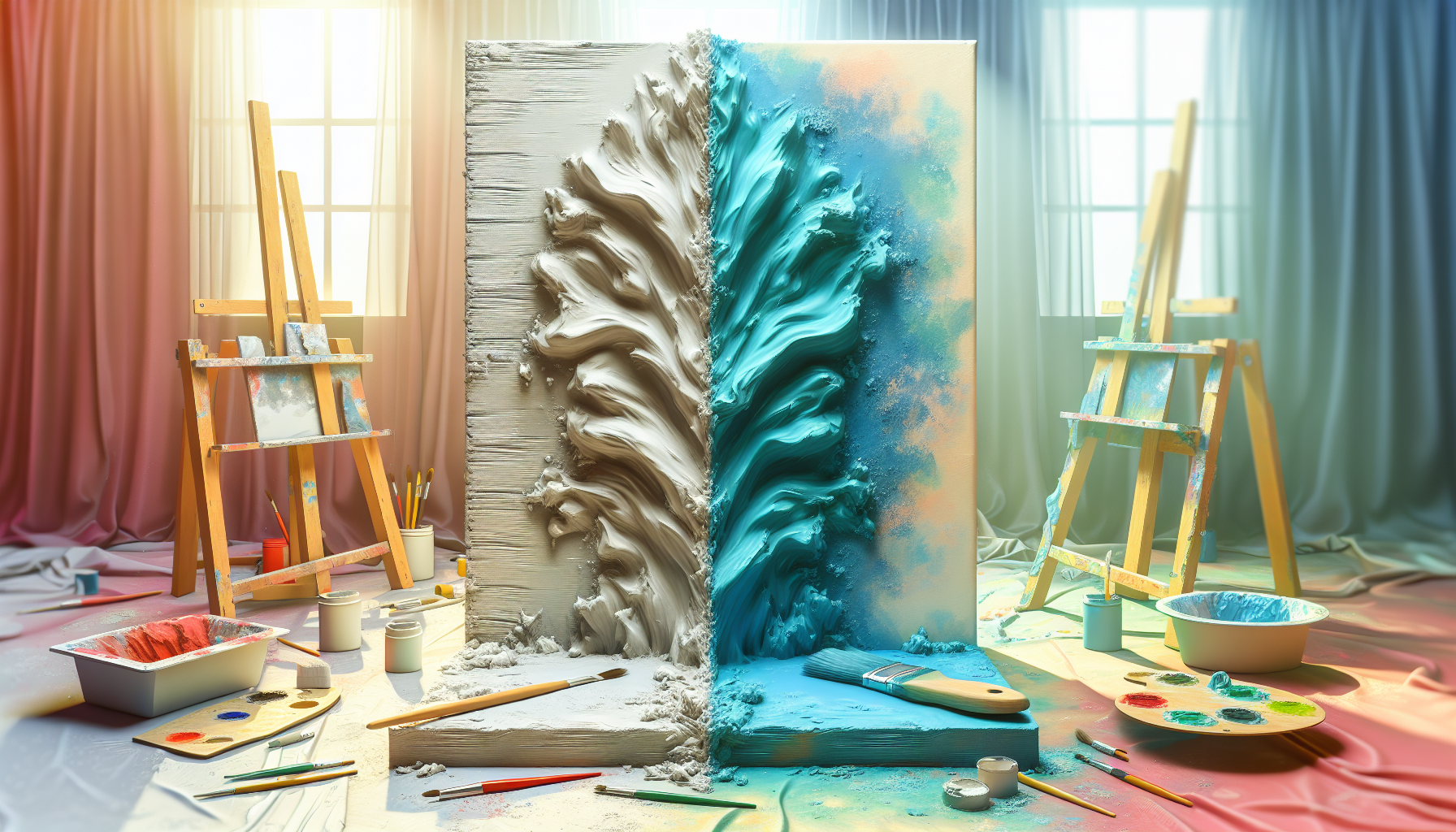
You might be wondering, “Should I prime before painting?” It’s a common question, especially if you’re ready to freshen up your walls and skip straight to a vibrant new colour. The short answer is that primer creates a smooth surface and helps paint adhere better, but not every situation demands it. Let’s explore when you really need it and when you can save time and money.
Understand primer basics
Primer is like an undercoat that preps your walls for paint. It seals the surface, provides uniform coverage, and can help hide stains or previous colours. If you’re curious about the types of paint you might use over a primer, take a peek at what is interior paint called?.
Why primer matters
- It helps new paint bond properly, reducing peeling or flaking over time.
- It blocks stubborn stains (like watermarks or crayon scrawls) from showing through.
- It neutralises uneven or bold colours so you’ll get a consistent finish.
Recognise when it is needed
So, when do you absolutely need primer? If your walls are brand new drywall, or if you’re painting a drastically different colour (going from dark purple to pale cream), primer is your new best friend. Porous surfaces that seem chalky or powdery also benefit from an undercoat because the paint won’t soak in unevenly.
Clear signs you need primer
- Water or smoke damage that leaves a noticeable mark.
- Barely finished walls or freshly skimmed plaster.
- Shifts from one extreme colour to another.
Learn when to skip primer
Wondering if you can just dive into painting? If you’re working with a surface that’s already in good shape, with no cracks or big colour changes, you might not need primer. Lightly scuffing the surface and wiping it clean might be enough, especially if you already used paint-and-primer-in-one for a similar colour in the past.
Exceptions to consider
- If your walls have a slight sheen, primer helps new paint stick better.
- If your last paint job was decades ago, priming might still help with durability.
Prepare and apply primer
If you decide primer is necessary, proper prep ensures a smooth result. Clean your walls, fix any holes or cracks, and tape off edges to avoid stray brush strokes. You’ll want to stir your primer thoroughly and use even strokes as you apply it. For a deeper look at professional painting methods, check out how do professional painters paint a wall?.
Simple priming steps
- Repair flaws with filler, and sand them level.
- Wipe away dust or grime with a damp cloth.
- Apply primer in thin, even layers, allowing enough drying time between coats.
Wrap up and next steps
Priming protects your paint job from poor adhesion, patchy spots, or staining. If your surface is brand new or has a drastically different colour than the one you want, that undercoat is worth the effort. However, you can often skip it if your wall is already in decent shape and you’re painting a similar shade.
Still unsure whether your situation really needs primer? You’re not alone in questioning the process, and it’s perfectly okay to experiment with a small test patch before committing. If you also want to learn the best weather or season to tackle your painting project, you might look at what is the best time of year to paint?.
Remember, the ultimate goal is a finish you love, one that lasts a good long while without flaking or fading. With or without primer, the key is proper prep, patience, and the right tools. Happy painting!
continue reading
Related Posts

Discover how much interior decorators make! Unlock the secrets to earning potential in the decorating world.
Discover the distinction between a painter and a decorator! Your go-to guide for property perfection!
Discover the truth: Do house painters make money? Unveil the secrets behind painting profits!